How to Plan Kitchen Lighting in an Older Irvine Tract Home
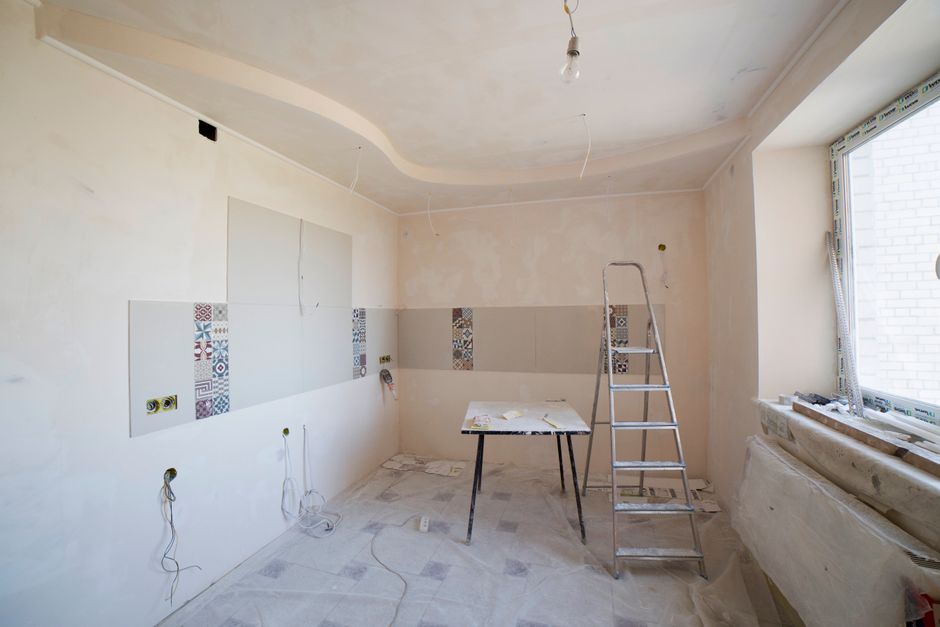
The kitchen light in a Northwood or Woodbridge tract house does one job: it throws a single wash of light from the middle of the ceiling and leaves every counter in the shadow of whoever is standing at it. Every teardown kitchen remodel irvine ca speak pirate has logged shows the same thing, a lone fixture, a switch by the door and a small window over the sink in Irvine, CA.
Three layers, three circuits
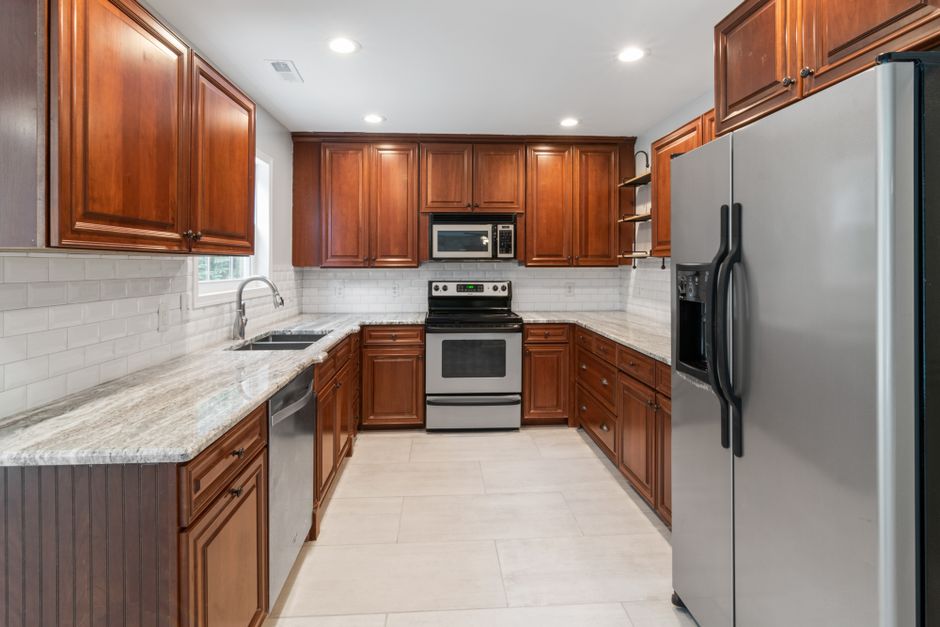
A workable plan has general light, task light and accent light, and each wants its own switch. General light is the recessed cans or a flush fixture. Task light is the strips under the wall cabinets. Accent light is a pendant over the island or a glow inside a glass door cabinet. Putting them on separate circuits and dimmers lets the kitchen change from a cooking mode to an evening mode.
Where the cans go
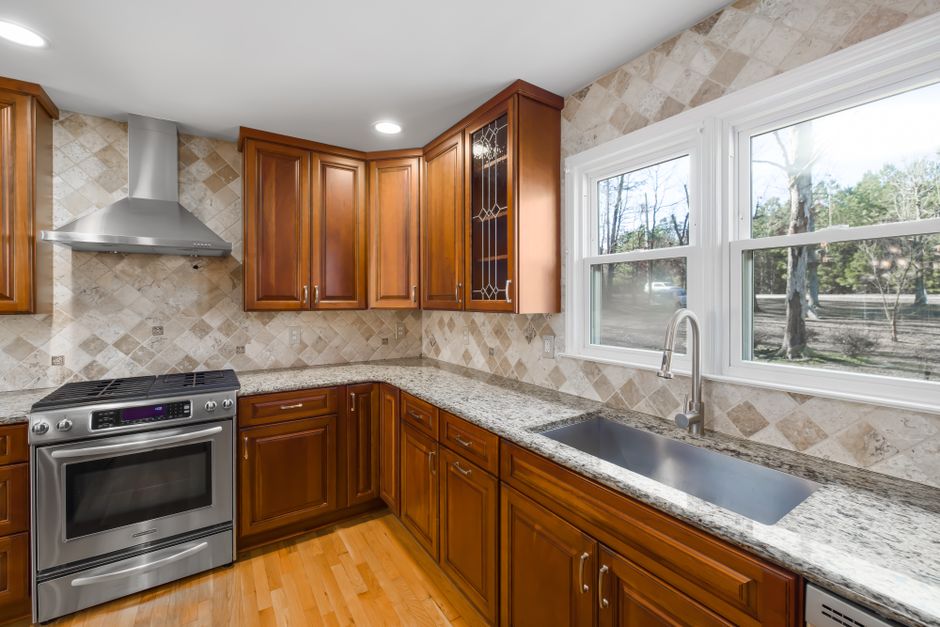
Cans set in a grid across the middle of the room light the floor and the tops of heads. Cans set about two feet off the cabinet face light the counters and the cabinet fronts. Most kitchens need the second pattern. The usual mistake is a row of cans directly above the person at the counter, which casts a shadow on the work surface.
Under cabinet strips
The strip that lights a backsplash belongs at the front edge of the wall cabinet, not the back, or it makes hot spots on the tile. Low profile strips with a diffuser hide the glare. Wiring comes from a junction in the cabinet, and on a rebuild it is easier to run that cable while the drywall is open than after the cabinets are hung.
Old wiring and new loads
Houses of that era in Orange County often have a small number of kitchen circuits, and a new plan adds cans, strips, a hood and sometimes a microwave drawer. An electrician counts the load and decides whether a dedicated circuit is needed. The panel gets checked at the same time, because a full panel changes the whole job.
Color of the light
Warm white bulbs make wood cabinets look rich and make white cabinets look yellow. Cooler bulbs do the reverse. Mixing two colors across cans and strips is the most common reason a finished kitchen looks off. One color temperature across every fixture, tested with a sample bulb at night, avoids that. Tile gets held up under the actual bulb before it is cut.
Windows and the evening in Irvine
A kitchen with a patio door in Turtle Rock or near the Great Park gets strong daytime light and a dark evening. Planning for the evening is what the layers are for. A dimmable pendant over the island does more for the room after dark than another pair of cans, and it never competes with the glare off a south facing slider during the day.